9 November 2026 · 9 min read
Gluten-Free and Dairy-Free Hot Cereal: A Guide to Creme Supreme
Looking for gluten-free dairy-free hot cereal? Explore Creme Supreme, learn what to check on labels, and get practical preparation and shopping tips today.
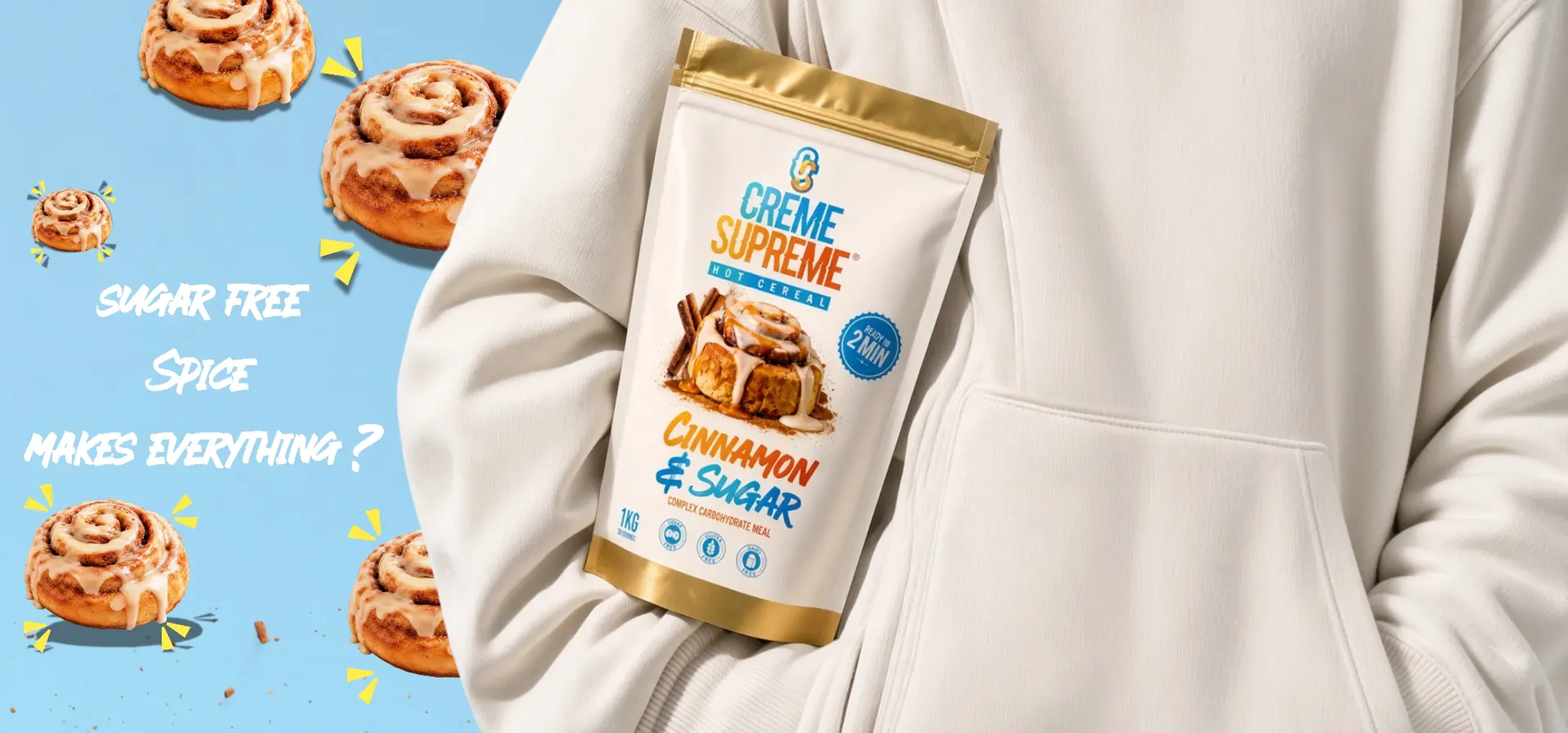
Gluten-free dairy-free hot cereal should meet two separate requirements: no gluten-containing ingredients and no milk-derived ingredients, with suitable controls against cross-contact where medically necessary. When considering Creme Supreme, check the current pack and confirm any unclear allergen information before buying, because sugar-free does not automatically mean gluten-free or dairy-free. Creme Supreme is a South African brand selling packaged sugar-free instant hot cereal online and through stockists, making it an option to investigate for a convenient breakfast. Below, we cover label checks, preparation, toppings, buying options and the questions worth asking before you fill your bowl.
TL;DR:
, Check each product: Sugar-free, gluten-free and dairy-free describe different things. , Read ingredients and allergen warnings: Do not assume every flavour has the same suitability. , Prepare thoughtfully: Water or a suitable plant-based drink cannot make an unsuitable cereal dairy-free. , Keep toppings suitable: Check extras and avoid shared utensils where cross-contact matters. , Buy with clarity: Explore Creme Supreme online or through listed stockists, and resolve dietary questions first.
Find your next breakfast bowl Creme Supreme offers packaged sugar-free instant hot cereal to explore alongside your ingredient and dietary requirements. Explore the cereal shop
Table of Contents
- What gluten-free and dairy-free actually mean
- How to check a Creme Supreme product
- How to prepare a suitable hot cereal bowl
- Toppings and recipes without unwanted extras
- Provider view: Start with the pack
- Get sugar-free hot cereal for your breakfast cupboard
- FAQ
- Sources
- Recommended
What gluten-free and dairy-free actually mean
Gluten-free and dairy-free address different ingredients, so you need to assess both rather than rely on one headline claim.
- Gluten-free concerns certain grain proteins: Gluten occurs in wheat, barley and rye. For someone with coeliac disease, avoiding gluten is a medical requirement, not simply a breakfast preference. The NIDDK guide to eating with coeliac disease explains why ingredients, food preparation and cross-contact all matter.
- Dairy-free concerns milk-derived ingredients: Look beyond the word “milk”. Whey, casein, milk powder, cream and butter can also indicate dairy ingredients. The FDA overview of food allergies identifies milk as a major food allergen and explains the importance of allergen labelling. This is useful background, not a substitute for checking a South African product's actual label.
- Lactose-free is a different claim: Lactose is the sugar in milk. A lactose-free dairy product may still contain milk proteins, making it unsuitable for someone with a milk allergy. The NIDDK explanation of lactose intolerance distinguishes lactose intolerance from milk allergy.
- Sugar-free answers another question: Creme Supreme's sugar-free positioning does not, by itself, confirm gluten or dairy suitability. Treat claims separately: one relates to sugar, another to gluten and another to milk ingredients.
A useful shopping rule is three claims, three checks. That keeps an appealing product description from doing more work than the information actually supports.
How to check a Creme Supreme product
Assess the exact cereal you intend to buy, using its current packaging and clear product-specific information.
- Start with the individual product: Browse the Creme Supreme shop, then review the information available for your chosen pack. This guide does not establish that every Creme Supreme product is gluten-free or dairy-free. If a label is not readable online, ask for a current image before ordering.
- Read the full ingredients list: Check for wheat, barley, rye and milk-derived ingredients. If oats appear, look for explicit gluten-free suitability rather than assuming oats are always suitable. Oats can encounter gluten-containing grains during growing or processing, and individual medical advice may also matter.
- Read allergen and precautionary statements: An ingredient list and a “may contain” statement answer different questions. The first describes ingredients; the second can flag unintended allergen presence. The absence of a precautionary warning alone does not prove that cross-contact is impossible.
- Ask a specific question: Instead of “Is your cereal healthy?”, ask “Does this product contain milk ingredients?” or “What information supports this product's gluten-free suitability?” For coeliac disease or a diagnosed allergy, ask about the relevant production and handling controls too.
- Compare flavours separately: Do not carry an answer about one flavour across the entire range. Flavourings and other additions can change the ingredients and allergen profile. Recheck the pack when you reorder, especially if its design or formulation has changed.
- Use the nutrition panel for the bigger picture: Compare serving size, energy, protein, fibre and other nutrients where listed. Include your preparation liquid and toppings when thinking about the finished breakfast. A suitable allergen profile does not automatically mean the bowl meets every nutritional goal.
Pro Tip: Keep a clear photo of the ingredients, allergen statement and preparation instructions for the exact pack you buy. It makes repeat shopping and household preparation much easier.
How to prepare a suitable hot cereal bowl
A suitable finished bowl depends on the cereal, the preparation liquid and the utensils you use.
- Follow the product instructions first: Use the pack directions and Creme Supreme's how-to-make guide for the appropriate method. Do not assume every instant cereal uses the same liquid quantity, temperature or standing time. Measure the recommended portion before adjusting the texture.
- Choose a compatible liquid: If the instructions allow it, water avoids introducing milk through the liquid. A plant-based drink may offer a different taste or texture, but inspect its ingredients and allergen information too. An oat drink needs its own gluten check; an almond drink introduces a nut consideration.
- Keep the preparation area clean: Where cross-contact matters, use a clean bowl, spoon and work surface. A spoon previously dipped into ordinary cereal or milk powder can introduce unwanted ingredients. Shared storage scoops are another easy detail to overlook.
- Adjust without guesswork: Once you have followed the stated method, make small adjustments that remain consistent with the directions. Avoid adding unmeasured extras before tasting. The goal is a pleasant bowl, not an accidental soup.
- Check the final combination: Dairy-free preparation only works when the dry cereal is suitable too. Likewise, adding gluten-free toppings cannot compensate for a cereal containing gluten. Think of the breakfast as a complete recipe, not a single packet.
For shared households, keeping the cereal sealed and using a dedicated clean scoop can make the morning routine more straightforward. Follow any additional precautions recommended by your healthcare professional.
Toppings and recipes without unwanted extras
Keep additions simple and check packaged toppings so that a suitable cereal stays suitable after serving.
- Fruit for variety: Sliced banana, chopped apple or berries can change the flavour without needing a complicated recipe. Fruit adds naturally occurring sugars, so a bowl made with sugar-free cereal is not necessarily sugar-free once topped. Use language that describes the finished meal accurately.
- Seeds or nuts when appropriate: Plain seeds, nuts or nut butter can add texture and variety, provided they suit your dietary needs. Check blends and flavoured versions for milk ingredients, cereal additions and relevant allergen warnings. These toppings are not suitable for everyone.
- Spices for a small change: Cinnamon or another suitable plain spice can offer a different flavour direction. Check premixed powders rather than assuming they contain only the ingredient named on the front. Some mixes include sugar or other additions.
- Crunch with care: Ordinary granola, biscuit crumbs and some breakfast cereals can introduce gluten. Chocolate pieces and creamy toppings may introduce milk. If you need both exclusions, choose additions with information supporting both.
- Recipes as inspiration: Explore Creme Supreme recipes for ideas, then check every ingredient and preparation step against your own requirements. A recipe featuring a suitable cereal can still become unsuitable through its other ingredients.
Keep it tasty. Keep it checked. A handful of familiar, suitable toppings is often more useful than a cupboard full of complicated breakfast extras.
Provider view: Start with the pack
We want the conversation about breakfast to start with the product details, not assumptions about what a sugar-free label means.
- We focus on the product: Our offering is packaged sugar-free instant hot cereal. When you are also shopping for gluten-free dairy-free hot cereal, the exact product's ingredient and allergen information needs to guide your choice.
- We point you towards practical preparation: Our preparation guide is a useful starting point for making your cereal. Your liquid and toppings still need to match your own dietary requirements.
- We offer ways to explore the range: You can browse online or consult our stockists page. Check the specific product and current availability rather than assuming every retailer carries the same selection.
We believe a good breakfast decision is an informed one: understand the pack, check your extras and choose what fits your needs.
, Avo
Get sugar-free hot cereal for your breakfast cupboard
Explore the Creme Supreme cereal shop to find packaged sugar-free instant hot cereal and review the available product information before purchasing.
- Convenient browsing: Compare the products currently displayed without needing an appointment or booking.
- Preparation support: Use the brand's instructions to plan your breakfast routine and select suitable additions.
- Flexible buying options: Consider online ordering or a listed stockist, checking availability and the shipping information where relevant.
For unresolved ingredient or allergen questions, use the contact options on the Creme Supreme website before ordering.
This guide is general food information, not medical advice; consult a qualified healthcare professional about coeliac disease, food allergies or individual dietary needs.
FAQ
Is Creme Supreme gluten-free and dairy-free?
Do not assume this from its sugar-free positioning alone. Check the current label for the exact product in the Creme Supreme shop, and request clarification if gluten or milk information is incomplete.
Can I make hot cereal with water instead of milk?
Use water if the specific product's instructions allow it, following the pack and Creme Supreme preparation guide. Water avoids adding dairy through the liquid, but it does not remove dairy already present in the cereal.
Is lactose-free milk suitable for a dairy-free bowl?
Lactose-free cow's milk is still dairy and generally still contains milk proteins. It may suit some people with lactose intolerance, but it is not a dairy-free substitute or an appropriate workaround for a milk allergy.
Are oats always suitable for gluten-free hot cereal?
No, oats need a specific suitability check because they can encounter wheat, barley or rye during production. If you have coeliac disease, discuss oats with your healthcare professional and choose products with appropriate gluten-free information.
Where can I buy Creme Supreme in Pretoria?
Start with the online shop or check the stockists directory for listed retailers. Confirm local availability directly and review delivery information before placing an online order.
Sources
- NIDDK: Eating, diet and nutrition for coeliac disease
- FDA: Food allergies and allergen labelling
- NIDDK: Definition and facts for lactose intolerance