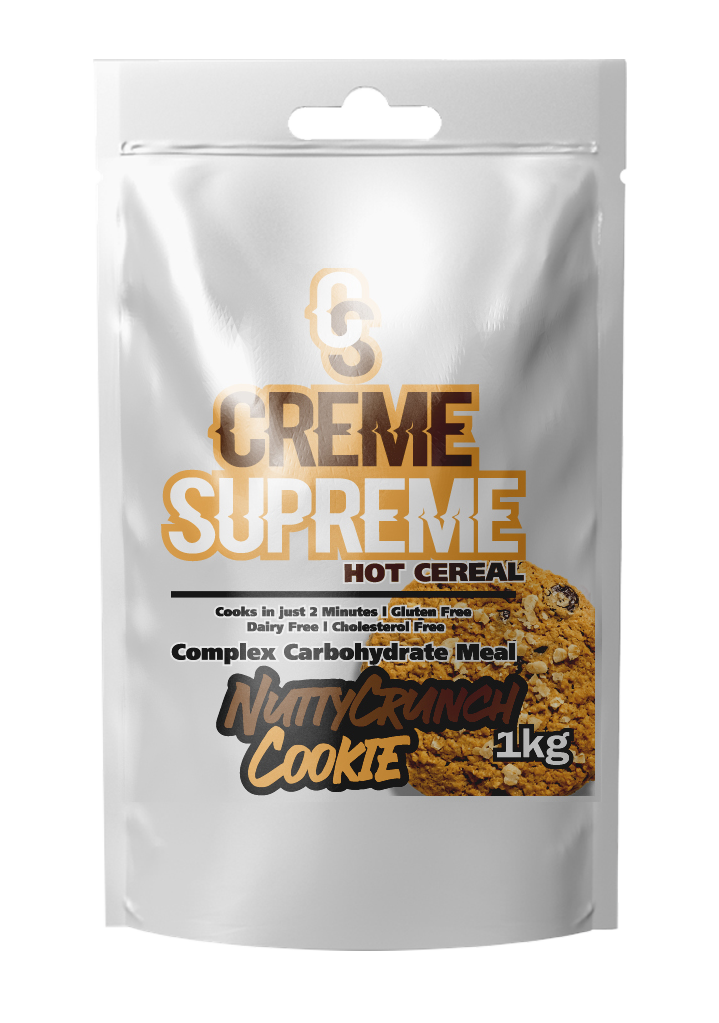

To calculate your hot cereal cost per serving, divide the pack price by the number of portions you will actually get from it. For a realistic breakfast budget, add your share of delivery costs, plus any milk, toppings or other ingredients you use. That gives you a useful bowl-to-bowl comparison instead of relying on the price printed beside a bag. This guide covers the basic calculation, measuring portions, comparing pack sizes, accounting for extras and choosing a purchase that suits your household. You will also find a reusable worksheet and practical ways to compare Creme Supreme online purchases with buying through stockists.
Calculate your cereal cost per serving
Cost per serving tells you how much of the purchase price goes into each bowl, rather than how much you spend on the whole bag.
- Useful shortcut: You can also calculate pack price × portion weight ÷ pack weight. It gives the same cereal-only result without calculating the serving count separately.
- Partial portions: A fractional serving count is useful for comparing products. For meal planning, remember that a little cereal left at the bottom of a bag may not make a full breakfast on its own.
Measure the portions you actually eat
A reliable calculation uses your usual dry portion, because an estimated scoop can quietly change the cost of every bowl.
- Weigh before adding liquid: Put your empty bowl on a kitchen scale, reset it to zero and add the cereal. This measures the product you are paying for without including the bowl, water or milk.
- Check several normal breakfasts: Record the dry amount you use on different mornings. Add those weights together and divide by the number of bowls measured to find your average portion. This is more useful than measuring one unusually small breakfast.
- Separate household routines: If different people use different amounts, work out their bowl costs separately. You can then estimate weekly use by multiplying each person's portion weight by the number of breakfasts they expect to eat.
- Distinguish guidance from preference: A labelled serving is a helpful reference for preparation and nutrition comparisons. Your personal portion may differ, so record both rather than treating them as interchangeable.
- Avoid shrinking breakfast just to improve the number: Cost tracking should help you understand your routine, not encourage an unsuitable portion. The WHO healthy diet guidance emphasises adequacy, balance, moderation and diversity, rather than judging food choices on one feature alone.
- Get the texture right first: Follow the Creme Supreme preparation guide before deciding that you need more dry cereal. Changing the amount of liquid affects consistency, while adding extra cereal also changes your serving cost.
Add delivery milk and toppings
Your complete breakfast cost includes the cereal and the extras you actually pay for to get it into your bowl.
- Check delivery before paying: Read the shipping information and review the charge shown for your order. Do not assume that every order, address or basket qualifies for the same terms.
- Compare like with like: A plain bowl and a bowl with several toppings are different breakfasts. Calculate both if you alternate between a quick weekday serving and a more elaborate weekend version.
Compare buying options with a simple worksheet
A useful buying comparison keeps portion size and extras consistent while changing the pack, retailer or order you are considering.
- Pack price: Enter the current amount payable for each option.
- Net cereal weight: Record grams, converting kilograms where necessary.
- Cost per 100 g: Calculate pack price ÷ pack weight in grams × 100. This makes different pack sizes easier to compare without assuming that a bigger bag is cheaper.
- Your dry portion: Use the same portion weight for the initial price comparison. If products require different amounts to prepare your preferred breakfast, make a second comparison using those amounts.
- Expected servings: Divide the pack weight by your chosen portion weight.
- Cereal cost per bowl: Divide the pack price by expected servings.
- Delivered bowl cost: Add the delivery amount allocated to that serving.
- Complete bowl cost: Add your usual liquid and toppings.
- Expected weekly spend: Multiply the complete bowl cost by the number of bowls your household plans to eat that week.
Provider view: Value starts with your breakfast routine
We see useful value as a combination of a clear serving cost, straightforward preparation and cereal you enjoy eating.
- We suggest starting with your routine: Count the breakfasts you realistically expect to prepare before deciding how much to order. A full cupboard is not automatically a better-value cupboard.
- We make comparison practical: Use our online shop for current product information, then apply the same calculations to whichever buying option suits you. Check the details of each product rather than assuming that every listing is identical.
- We encourage thoughtful extras: Our recipe ideas can help you vary breakfast. When trying one, cost the added ingredients too, so the final bowl stays within the budget you intended.
- We keep the focus on your bowl: Sugar-free describes an aspect of the cereal, not its price or the complete nutritional profile of every breakfast you make with it. Read the label and account for your additions separately.
Get sugar-free hot cereal for your breakfast budget
Choose your next breakfast from the Creme Supreme sugar-free hot cereal shop, then use the current pack details to calculate your own cost per bowl.
- Clearer comparisons: Know the difference between a lower shelf price and a lower cost for the amount you eat.
- More useful planning: Estimate weekly cereal use before deciding how many bags to buy.
- Flexible breakfasts: Keep a simple base-bowl calculation and adjust it when you change milk, toppings or recipes.
For product questions before ordering, use the contact options provided on the Creme Supreme website.
FAQ
What is the simplest hot cereal cost-per-serving formula?
Divide the pack price by the number of servings you expect to get from it. If the serving count is unknown, calculate it by dividing the net pack weight by your dry portion weight first.
Should I weigh cereal before or after preparing it?
Weigh it dry, before adding water, milk or toppings. Use the preparation guide alongside your pack instructions to prepare it consistently.
Is a larger pack always better value?
No, compare the cost per 100 g and then calculate the cost of your usual portion. Check the current options in the Creme Supreme shop, and only buy quantities you expect to use.
How do I include delivery when buying several bags?
For a cereal-only order, divide the delivery charge by the combined expected servings across all bags. Check the shipping information and your checkout total before finalising the calculation.
Does sugar-free cereal automatically make a cheaper breakfast?
No, sugar-free is not a measure of affordability. The pack price, portion size, delivery and added ingredients determine your cost, while the label helps you assess the product's nutritional information separately.